Russell Washington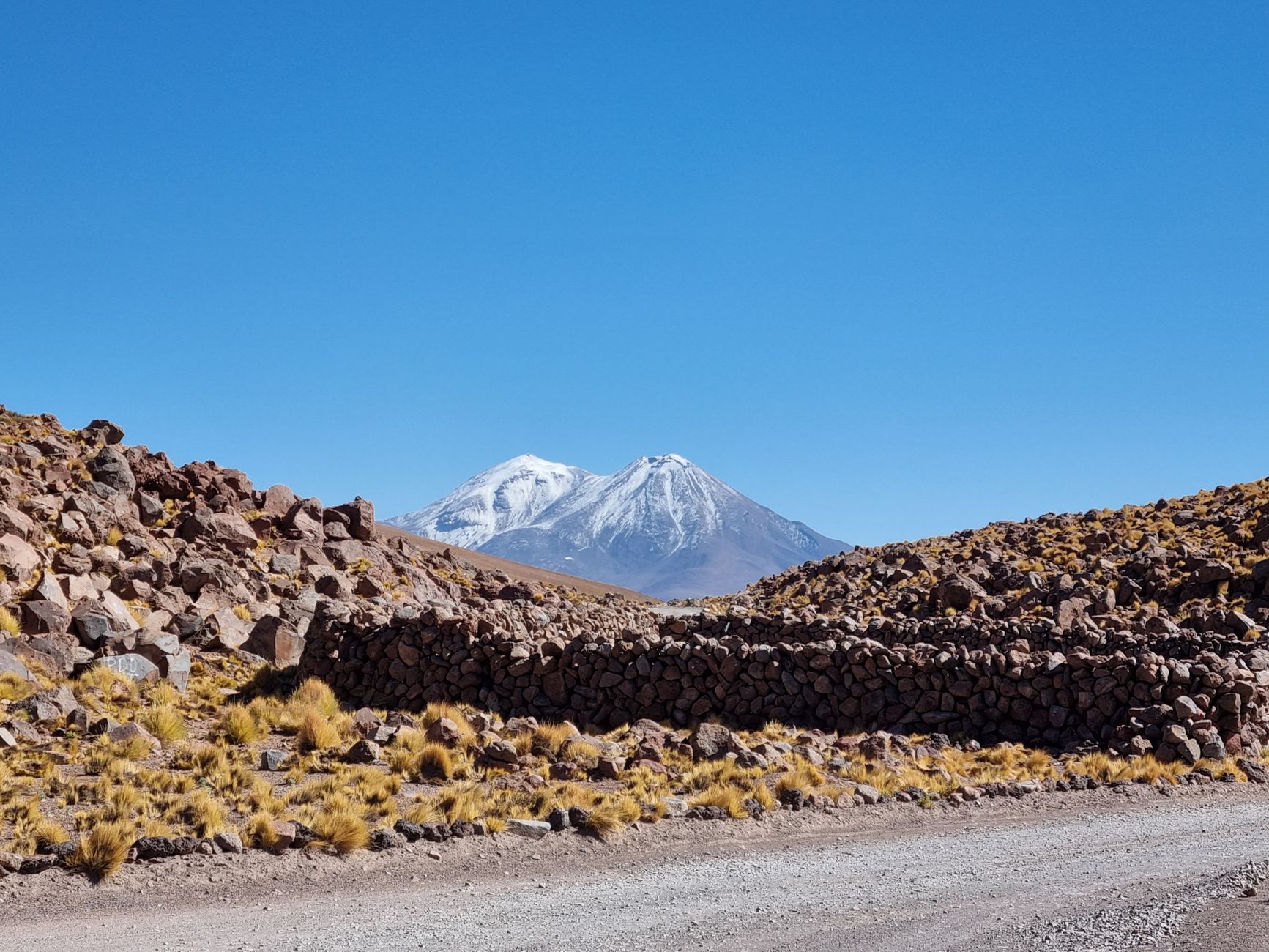
Andean volcanic blanket reveals hidden insights about ancient civilizations. This remarkable geological discovery sheds light on the rich history of the Andean region and its past inhabitants.
What is the Andean volcanic blanket?
The Andean volcanic blanket refers to a significant geological formation that encompasses a vast area of the Andes mountain range. This unique layer of volcanic material has been formed by numerous eruptions over millennia, resulting in a rich tapestry of rocks and ash that cover the landscape.
Geologists have recently discovered that beneath this blanket lies a wealth of archaeological treasures, reminiscent of the ancient city of Pompeii. The findings include:
- Preserved artifacts from early Andean civilizations
- Structures that provide insights into past cultures
- Evidence of volcanic activity influencing human settlement
These revelations shed light on how the Andean volcanic blanket not only shapes the physical landscape but also holds secrets to the region’s historical narrative.
Significance of the hidden Pompeii
The discovery of the Andean volcanic blanket has unveiled a hidden world, often compared to the ancient city of Pompeii. This phenomenon is significant for several reasons:
- Preservation of History: The volcanic blanket serves as a time capsule, preserving the remains of ancient civilizations that thrived in the Andes.
- Geological Insights: It offers scientists a unique perspective on volcanic activity and its impact on the environment over millennia.
- Cultural Heritage: The findings provide valuable information about the rituals, daily life, and agricultural practices of past communities.
- Tourism Potential: The site is expected to attract researchers and tourists, boosting local economies and raising awareness of Andean history.
As investigations continue, the Andean volcanic blanket not only enhances our understanding of the past but also highlights the importance of preserving such historical landscapes.
How was the discovery made?
The discovery of the Andean volcanic blanket was a result of extensive geological studies conducted in the region. Researchers utilized advanced imaging techniques and satellite data to identify unusual patterns in the landscape, which led them to suspect the presence of significant volcanic deposits.
Upon further investigation, they uncovered layers of ash and tephra that suggested a series of ancient eruptions. The team, comprised of geologists and archaeologists, excavated sites that revealed remarkably preserved artifacts and structures, prompting comparisons to the famed Pompeii in Italy.
Key findings included:
- Well-preserved buildings buried under volcanic material
- Evidence of ancient agricultural practices
- Unique artifacts that shed light on the lives of past inhabitants
These discoveries have transformed our understanding of the Andean volcanic blanket and its impact on human history in the region.
Impact on future archaeological studies
The discovery of the Andean volcanic blanket has profound implications for future archaeological studies in the region. Researchers are now able to explore previously hidden sites that were once thought to be lost to time. The volcanic layers provide a unique opportunity to revisit ancient civilizations, offering insights into their daily lives, rituals, and societal structures.
By examining the artifacts preserved within the volcanic blanket, archaeologists can reconstruct the environmental conditions and cultural practices of the Andean peoples. This new understanding may lead to reevaluations of historical timelines and cultural interactions.
Additionally, the innovative techniques developed for studying these volcanic layers could be applied to other archaeological sites globally, enhancing methodologies and uncovering more hidden histories.
- Uncovering new artifacts
- Revising historical timelines
- Enhancing archaeological techniques
Photo by Renan Bomtempo on Pexels