David Long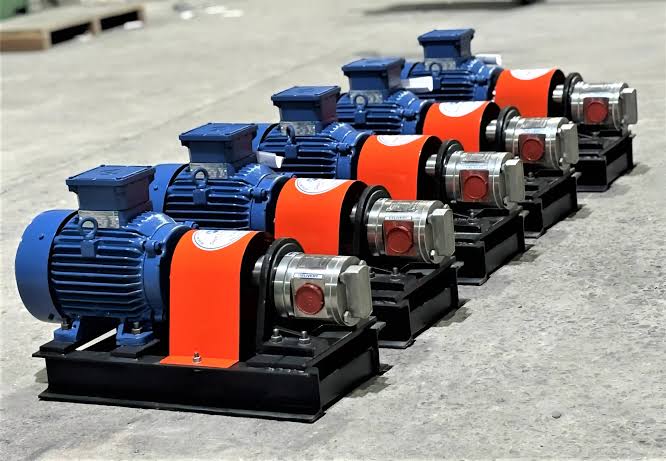
Many people assume that choosing a pump is a straightforward matter of matching flow rates and pressure requirements to a specific task. While these are necessary technical specifications, the reality of fluid management is more nuanced. When handling materials that must remain uncontaminated or when working in environments where corrosion is a constant threat, the selection of materials becomes just as critical as the mechanical design itself. This is why a stainless steel gear pump is often viewed not merely as a component, but as a strategic investment in process stability.
Why Material Composition Outweighs Mechanical Design in Specialized Environments
It is common to prioritize the internal mechanics of a system—the gears, the housing, and the seals—while viewing the outer material as a secondary choice. However, in many industrial contexts, the chemical compatibility between the fluid being moved and the hardware moving it dictates the lifespan of the equipment.
A pump that performs flawlessly in a laboratory setting may degrade rapidly if it is exposed to harsh cleaning agents or process fluids that are slightly acidic or basic. Stainless steel is favored in these scenarios because of its inherent resistance to oxidation and its ability to withstand exposure to a wide variety of chemical agents. This material choice is less about the movement of fluid itself and more about the integrity of the total process over time. When a facility relies on consistent output, the ability of a pump to resist degradation ensures that the system does not need to be disassembled or cleaned more frequently than necessary.
Furthermore, because these pumps often move sensitive materials, the ease of sanitization is a significant factor. Smooth, non-reactive surfaces are essential for maintaining the purity of the end product. A gear pump manufacturer that specializes in high-grade alloys understands that the surface finish of the internal components can be just as important as the precision of the gears themselves.
What Actually Matters When Evaluating Pumping Systems
When a facility team evaluates different options, they often find that the most useful metrics are not the ones found on a basic spec sheet. While peak capacity is important, reliability under stress is what typically determines the long-term cost of ownership.
A well-constructed stainless steel gear pump is designed to provide consistent, non-pulsating flow. This precision is vital in manufacturing processes where even slight variations in fluid delivery can lead to inconsistent product quality. By ensuring a steady stream, the pump allows the broader system to operate within tighter tolerances.
When you consider the longevity of a system, it is helpful to look at how the pump handles maintenance. Questions to consider include:
- How easily can the internal gears be inspected or replaced?
- Are the seal materials compatible with the chemicals or heat profiles involved in the specific process?
- Does the manufacturer provide clear documentation on how to maintain the integrity of the stainless steel housing?
These considerations shift the focus from the initial purchase to the total lifecycle of the equipment. A pump that is designed for longevity will typically feature modular components, allowing for repairs that do not require replacing the entire unit.
How to Discern Quality When Selecting a Provider
The market for industrial pumping equipment is broad, and finding a partner who understands your specific needs requires more than just searching for a supplier. The goal is to identify a gear pump manufacturer that views their role as a technical advisor rather than a simple product vendor.
When discussing requirements with a potential provider, pay attention to how they respond to questions regarding your specific fluid type. A provider who asks about the temperature, viscosity, and chemical makeup of the liquid is more likely to provide a solution that will last. They should be able to explain why certain gear geometries or seal configurations are better suited for your environment.
Transparency regarding manufacturing origins and quality control processes is also a hallmark of a reliable partner. In many cases, the difference in quality comes down to the precision of the casting and the final machining of the gears. Ask about their approach to quality assurance and how they verify that the stainless steel used is appropriate for your specific application.
Reframing the Approach to Fluid Handling Infrastructure
Instead of thinking about a pump as an isolated piece of hardware that needs to be replaced when it fails, consider it as a functional node within a larger ecosystem. The durability of that node affects the efficiency of every other part of your process.
Investing in high-quality equipment typically means you are paying for the peace of mind that comes with reduced downtime and fewer maintenance surprises. When a system is engineered with the right materials, the operational noise, vibration, and unexpected stoppages tend to decrease. This shifts the internal culture of a maintenance team from a reactive “firefighting” mode to a proactive management strategy.
In the end, the choice of a stainless steel gear pump is an acknowledgment that your processes are only as strong as the components that facilitate them. By moving away from the assumption that all pumps are created equal and looking closely at material science, precision engineering, and the technical support provided by a professional gear pump manufacturer, you can build a system that is robust, consistent, and capable of meeting the demands of your production environment for years to come.
Choosing the right equipment is often about matching the hardware to the long-term goals of the facility. When the right materials are selected and maintained with care, the fluid management portion of a production line can become one of the most reliable aspects of the entire operation. Focusing on these foundational elements allows you to manage processes with confidence, knowing that the structural integrity of your equipment is designed to match the consistency of your output.